WHAT'S YOUR BIGGEST FINANCIAL BLIND SPOT ?
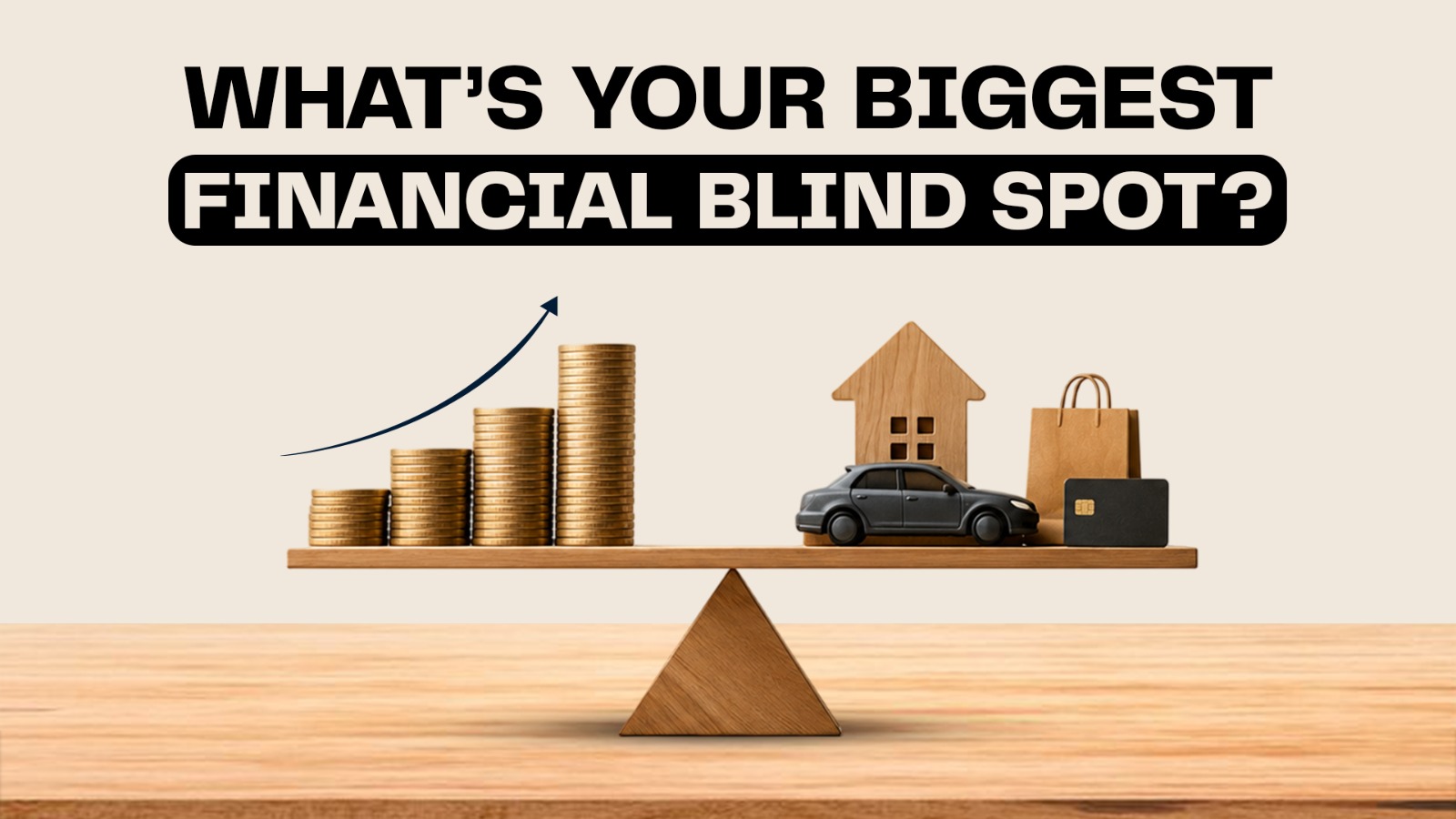
You can increase your income every year and still be one bad financial decision away from trouble. Why? Because earning money and making good financial decisions are two different skills. A higher salary can fund a better lifestyle. But if every pay rise brings a bigger car EMI, more lifestyle expenses, and new financial commitments, your income grows while your financial flexibility stays almost the same. That’s the part of personal finance we don't talk about enough. We learn how to earn more. But do we learn how to protect what we earn? Do we calculate what a financial setback could cost us before taking a risk? Do we question whether we're buying something because we need it or because we want others to see us differently? Do we understand the long-term cost of today's decisions? These aren't just questions about money. They're questions about behaviour. Sometimes, the costliest financial decision isn't a bad investment. It's a decision made to protect your pride, satisfy social expectations, or avoid confronting reality. This is why behavioural finance interests me. It looks beyond the numbers to examine the psychology behind them: our biases, emotions, habits, and assumptions. Because two people can earn the same amount, face the same opportunities, and make completely different financial choices. Over time, those choices can lead to very different outcomes. The question isn't only how much money you can make. It's whether your decisions are helping you build the financial life you actually want. P.S. What do you think people misunderstand the most about money? I’d love to hear your perspective in the comments.